Recovery4Life (Dev)

Category: Uncategorized

  • What James did next…

    What James did next…

    JAMES RAMSBOTHAM CBE JOINS SPECIALIST OCCUPATIONAL HEALTH COMPANY RECOVERY4LIFE, TO HELP DRIVE AMBITIOUS PLANS FOR GROWTH

    Gateshead based, multi award winning health and wellbeing company Recovery4Life have announced that it has appointed respected business leader James Ramsbotham CBE as their new Chair.  

    Since leaving the North East England Chamber of Commerce, James Ramsbotham CBE, has taken on a number of high profile roles including Chair of Newcastle Building Society.

    Recovery4Life offers traditional occupational health services combined with specialist mental health and complex needs interventions – from home-based alcohol detoxes to private prescribing for ADHD and other complex needs – to drug and alcohol testing programmes, training programmes and clinically informed HR advice.

    Providing a unique combination of services to an enviable client list, it has ambitious plans for growth and, the addition of James Ramsbotham CBE to the team is a significant milestone and seal of approval for its unique way of working and track record of successful outcomes. 

    John Devitt, CEO, said “we are absolutely delighted to have James on board to help drive our mission to transform the health and wellbeing of businesses across the UK.  James’ leadership and strategic direction is already making its mark and we look forward to great things ahead.”

    Said James Ramsbotham CBE, “I am delighted to have joined such a specialist team that lives by its values and achieves unparalleled outcomes for both employers and their employees.  People are the most important asset for any business and there is often so much opportunity to do more to improve performance.  The potential for John and his team is limitless and I am proud to be part of something genuinely special”

    If you would like to find out how Recovery4Life can help your business with any issue related to physical health, mental health, addiction or risk management please get in touch with John and his team on: 03333 448 299  or enquiries@recovery4life.co.uk. 

  • 28 Days of Kindness

    28 Days of Kindness

    PENNY GROVES COMPLETES 28 RANDOM ACTS OF KINDNESS IN FEBRUARY TO RAISE MONEY FOR ‘HEARING DOGS FOR DEAF PEOPLE’ CHARITY

    Penny Groves age 9, daughter of Kim Groves (our Central Services Manager), helps to raise money to transform the lives of deaf people

    Local hero, Penny Groves, is fundraising for the national charity Hearing Dogs for Deaf People to help train life-changing hearing dogs for deaf people. Penny has chosen to complete 28 acts of kindness during the month of February, as part of the charity’s 28 Challenge that sees participants raise money by taking on any challenge involving the number 28.

    Penny, who lives in Thorpe Thewles in Stockton on Tees is taking on this impressive challenge to raise funds for the charity whose work means a lot to her. Penny was born with permanent moderate hearing loss and now wears Bone Anchored Hearing Aids (BAHAs).

    Kim Groves, our Central Service Manager, said: “In April, Penny will have had the BAHAs for a year and they have made such a difference to her, really helping her to gain confidence.

    “We wanted to challenge her to learn how to put both her BAHAs in by herself over the 28 days, but Penny wanted to use the challenge to help others.

    “She is so excited that two important causes close to her heart have come together. She is such an animal lover and adores her two dogs Teddy and Jessie and really wants to raise money to help deaf people.”

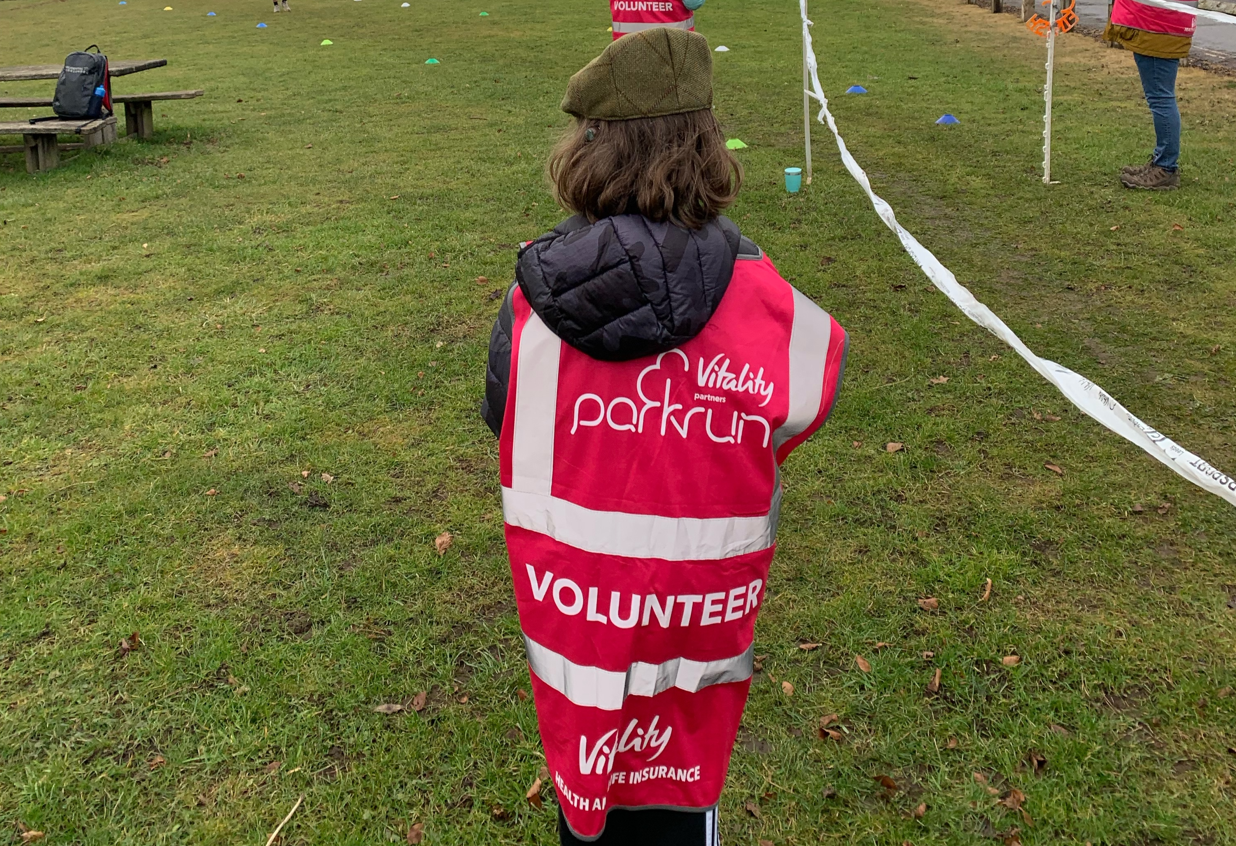
    Penny has already litter picked around her village, volunteered at her local Park Run, donated clothes and pocket money to charity, written letters and drawn pictures for people who are going through a tough time, and there is still so much more to come. She plans to donate food to a local food bank and bake cookies for a charity for homeless people.

    The money she is raising from sponsorships for her 28 days of kindness will be donated to the national charity Hearing Dogs for Deaf People which trains dogs that change the lives of deaf people. They do this by alerting deaf people to important and life-saving sounds they would otherwise miss, such as the smoke alarm, intruder alarm, oven timer, alarm clock and baby monitor. They also offer constant emotional support and companionship, helping deaf people to leave loneliness behind and reconnect with life. This is crucial as deaf people often struggle with feelings of loneliness and isolation.

    Penny said: “Every penny I raise will help more hearing dog puppies to be trained so that one day they can transform a deaf person’s life.”

    On Penny’s commitment to helping members of the deaf community, Kim continued: “Penny is starting to identify herself as part of the deaf community, which is fabulous, and seeing what Rose (Ayling-Ellis) has achieved is inspiring her. Penny now hopes to inspire others with her acts of kindness. The fact that she’s helping people in the deaf community means so much to her.”

    A spokesperson for the charity said: “We are so impressed with Penny’s idea for The 28 Challenge and all the effort she has put into raising money to help train life-changing hearing dogs. It is such a lovely and thoughtful thing for her to do. She is an inspirational young lady.”

    Penny has set herself a target of raising £1,000 but she would like to raise more if possible. Anyone who would like to sponsor Penny and help transform the lives of deaf people can do so by clicking here.

    To find out more about the charity and The 28 Challenge, click here.

  • A tailored approach to future wellbeing

    A tailored approach to future wellbeing

    Specialist drug, alcohol and mental health services provider Recovery4Life helps private patients and assists businesses to manage risk while supporting staff, improving productivity and saving money. However, as Steven Hugill finds out, the Gateshead-based firm is also playing a pivotal role in the regional – and international – response to the COVID-19 pandemic.

    John Devitt was ahead of the curve when COVID-19 began its surge in late 2019.
    A martial arts enthusiast, he watched as members of the region’s Asian community rallied to send face masks to family and friends in China and Hong Kong.
    It was something of an epiphany for John, who, having spearheaded Recovery4Life’s programmes on drug and alcohol testing and mental wellbeing in the workplace, realised the company could pivot its services to help combat the pandemic.

    “When we went into the first lockdown in March last year, we really began looking at how we could help manage the situation,” he says.
    “When we are dealing with drug and alcohol dependency issues, we are dealing with chaotic lives and behaviour.
    “Our model is based on putting structure into that chaos, so we had ready-made processes to understand how we could do that with COVID-19.”
    One of the ways the Gateshead-based firm has added to the UK’s coronavirus response has been through using its expertise with drug and alcohol testing to take on rapid antigen and antibody testing, and further laboratory-based analysis around COVID-19.
    Providing results, in some cases in as little as 15 minutes – from samples taken at its clinics or from clients’ workplaces – the company is, says John, playing a crucial role.
    “We got into testing because of the psychological effect and impact COVID-19 has had on mental health,” says chief executive John.
    “With a lot of our clients, the first thing they did wasn’t to worry about transmission, it was fear of the virus itself.
    “So we started looking at our internal models and took in what the Scientific Advisory Group for Emergencies (SAGE) was saying and what the World Health Organisation was saying, and then looked at why countries like South Korea, Taiwan and New Zealand had done so well to control COVID-19.
    “We also looked at testing behaviours and how the NHS was working to identify clues for patients that needed the most care.

    “We saw there was a need to test to limit transmission, and how that needed to be done with a fast response.”

    “So we invested in tests, which we believe to be the best in the market and processes that were different to anything else out there.”

    Such is the strength of Recovery4Life’s analysis methods that they have attracted the attention of businesses across the North East, as well as clients overseas, with the Multinational Force and Observers organisation – which oversees peace between Egypt and Israel – one of the earliest adopters of the firm’s antibody testing.
    Furthermore, the business is now working with Teesside International Airport to deliver antigen, antibody and laboratory-based testing across staff and flyers, which John says will ramp up across the early months of 2021, along with a full occupational health service. “We are testing travellers who are going to places like the Canary Islands and need a range of approaches to meet different entry requirements – quickly.

    “Our partnership will create a real hub for Teesside, supporting the local community, the business community and individuals who need or might want private testing.”

    But that isn’t the total of Recovery4Life’s work on COVID-19.
    In addition to its raft of testing services, the business is running the Passport2Work web-based app and previously founded the 20/20 Fund to pay for COVID-19 testing kits and personal protective equipment (PPE) for key workers.
    Designed to help businesses pro-actively manage coronavirus risks, the free-to-use Passport2Work tool considers 14 symptoms, along with any underlying health conditions, to identify pre-symptomatic and asymptomatic carriers more easily.
    “We’re trying to identify the life cycle of the virus and Passport2Work operates like a dashboard for people to track their symptoms,” says John.
    “But it doesn’t just look at one person; the app tracks them, as well as the people they live with, those with underlying health conditions and if the person lives with someone – like a doctor or nurse, for example – who are regularly working in environments where COVID-19 is prevalent.
    “Following Government guidance and international best practice, Passport2Work helps make testing, occupational health and other support more focused, and provides businesses with crucial continuity, in terms of keeping staff safely in work or helping them get back to work.”
    John continues: “When COVID-19 hit our shores, the price of PPE rocketed, so we decided to use profits from the sale of our tests to help buy equipment.
    “One of the first things we did was donate 1000 bottles of hand gel to local care groups, and we actually had people in tears on the doorstep because of what the sanitiser meant for them in terms of being able to do their jobs without potentially putting patients in danger.
    “We also bought PPE that was whisked away to care homes and community groups, donated to food banks and supported organisations like Age UK.
    “We spent about £12,000 in the first six months of the pandemic. “The fund is still going, and we’ll keep topping it up going forward.”

    While continuing to invest such support in the battle against COVID-19, John says Recovery4Life will also remain committed to its core services of drug and alcohol testing for business, mental health support and associated workplace training.
    Companies’ understanding and willingness to safeguard employees’ wellbeing is thankfully, says John, becoming much more established, with many shedding outdated conceptions about their responsibilities starting and ending with the traditional working day.
    However, in a region where John says alcohol related hospital admissions are the highest in the UK, and where the death rate linked to drugs is one of the largest in the country, he believes much work remains to be done.
    And, he says, that focus has been brought into even sharper focus by the effects of COVID-19, with its associated lockdowns and social restrictions pushing people towards different vices to compensate for their reduced social activities.

    “People are social animals,” says John, “and the isolation that we have all had to get used to is going to create a mental health crisis in the future.

    “People are looking for comfort – whether that is from sugar in a cake, or from taking cocaine, drinking or gambling.
    “If the mind is in pain, the body is in pain.
    “The situation we find ourselves in is very worrying with COVID-19 and its associated job losses and furlough, and the uncertainty of Brexit too.
    “There is a huge expectation on people to somehow muddle through.”
    A key element in this response is Recovery4Life’s tailored wellbeing services.
    “We do drug and alcohol analysis in a different way,” says John, whose team has delivered more than 500,000 tests over the last 20 years, supporting thousands of people across the UK.
    “We’re not here to judge people and believe that you can balance workplace safety with supporting the health and wellbeing of your people – and offer a full range of treatments including heroin and alcohol home detoxes for those who need help.
    “We are coming from a very strong clinical background with our medical director Dr Martin Weatherhead, for example, an opiate addiction specialist. We speak to people within 24 hours of a referral and get them into appointments within 48 hours. Our services are not a bolt-on for organisations, they are fundamental to their operations, and by acting so quickly we can nip problems in the bud.”

  • COVID-19

    COVID-19

    Risk Management and Testing


    COVID-19 Test Types


    Passport2Work


    COVID-19 and Mental Health


  • Making The Cut

    Making The Cut

    John Devitt jumped into the chair for a chat, as well as a trim from top hairdresser Sam Wall. Sam talks about his role as a brand ambassador for the Lions Barber collective and the great work they are doing in helping men open up about their mental health.


    Sam’s hairdressing journey began in his home town, West Malling, Kent with a role as an apprentice at Lucas Hair. This led him to London Mayfair for private education as part of his training.

    After having a solid training foundation Sam moved on to experience many high end salons. With Sam’s knowledge fast expanding he wanted to push himself further and decided on a new challenge in the North.

    Now based at Hidden Heights Creative Studio, Gateshead, Sam works alongside creative individuals who form a team collaborating in hair, make up and photography. Whilst individually offering his own hair, education and event services, Sam and the team excel in creating fashion, editorial and commercial photoshoots.

  • Top Quality

    Top Quality

    At Recovery4Life we are constantly trying to get better and improve our service and processes, this is a great way to continue our improvement and show our commitment to achieving the highest possible standards.

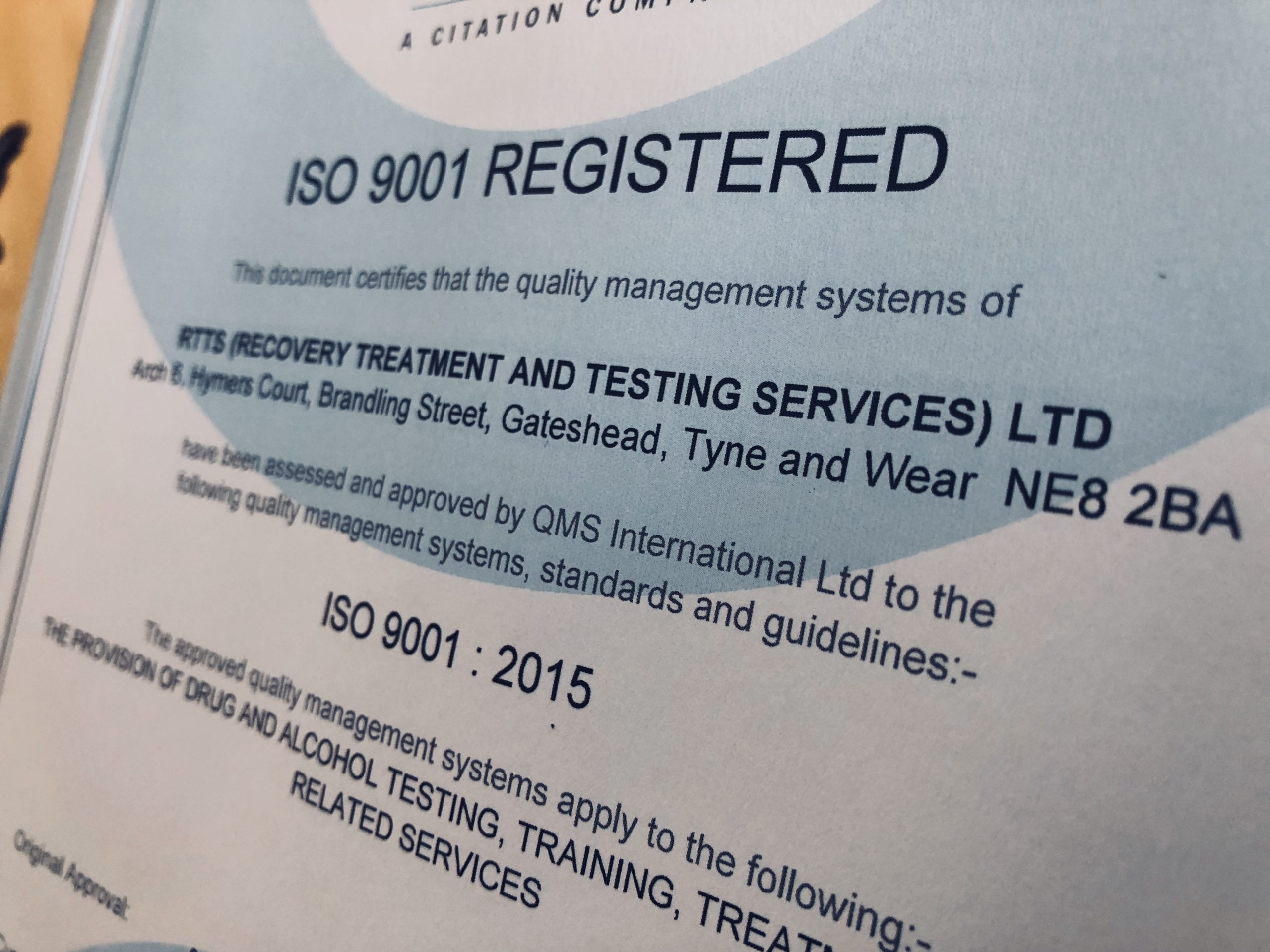
    ISO 9001 is recognised worldwide as the international benchmark for quality within an organisation.

    By achieving our ISO 9001 certification, Recovery4Life are able to demonstrate to clients and suppliers that the systems we have in place meet the high standards set out by the International Organisation for Standardisation (ISO).

    To gain the ISO 9001 certification, Recovery4Life had to demonstrate our dedication and commitment to meeting our clients needs, operating efficient management processes and delivering consistent, high quality services.

    Each year, an external Audit is carried out by a third party to ensure our systems are maintained and any non-conformances are noted for correction.


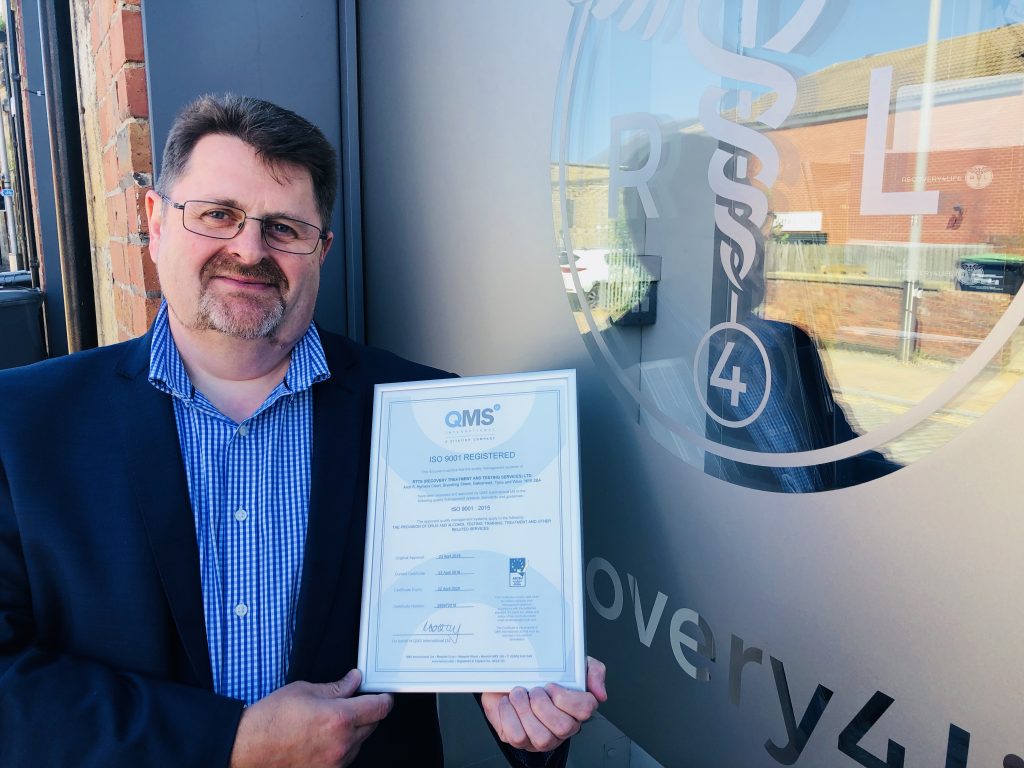
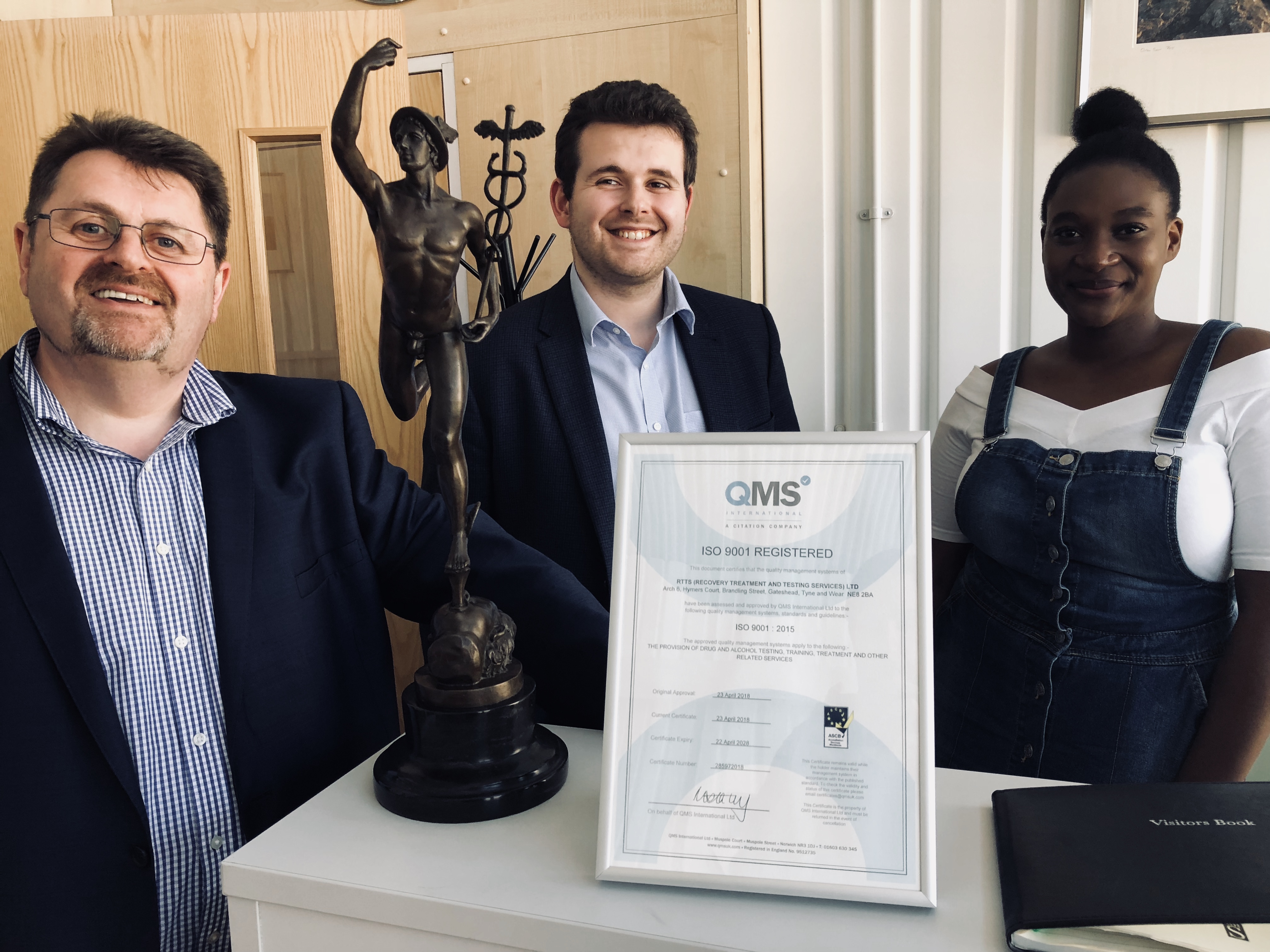
    John was delighted to receive our certificate.

    Managing Director of Recovery4Life, John Devitt, said:

    “We are thrilled to have achieved this. Certifications such as ISO 9001 are crucial in our day-to-day efforts to boost client confidence. This outlines our commitment to security and system management to ensure we can deliver the best possible results to our clients.”


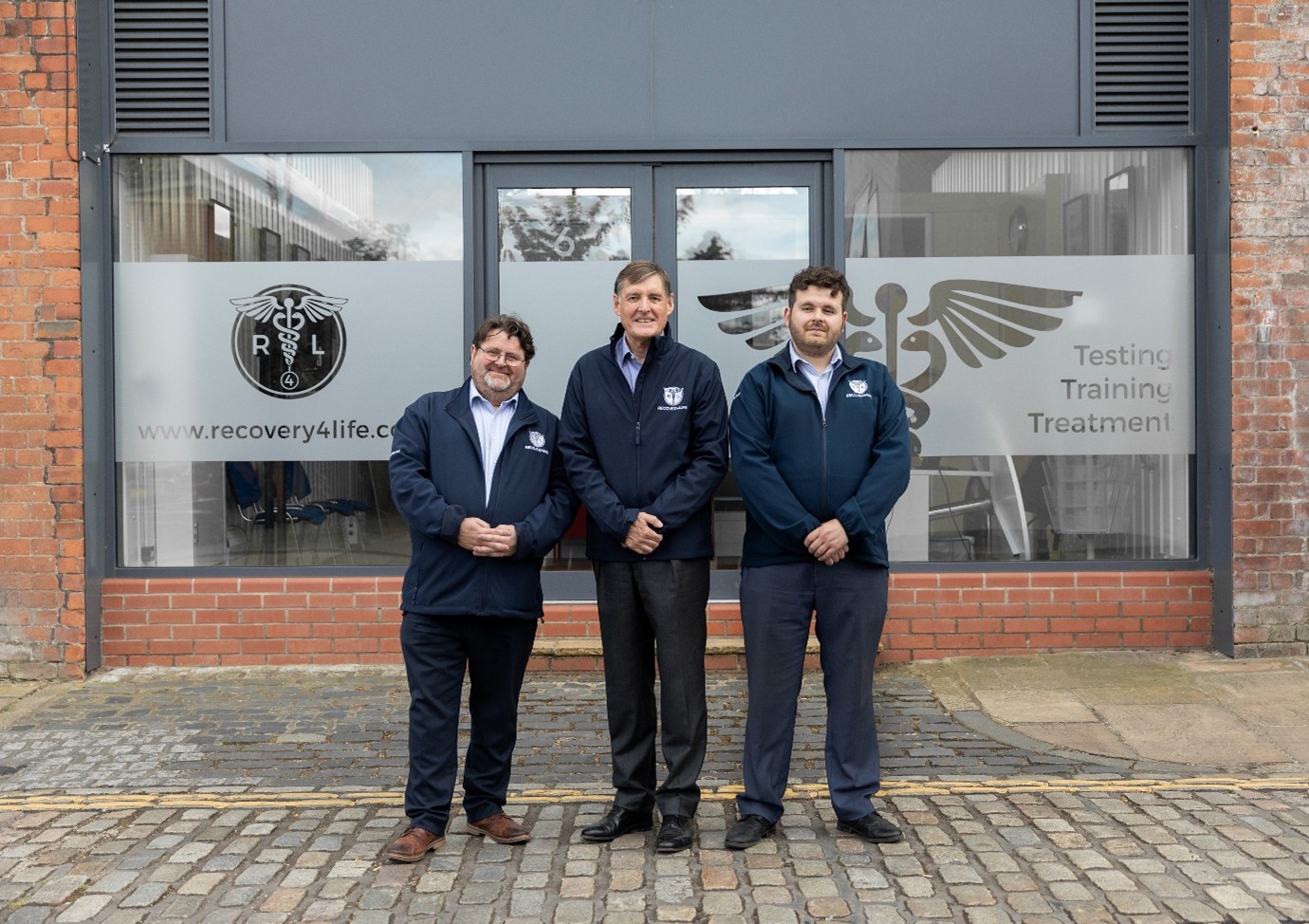
    John Devit (Left), Alex Devitt (Centre), Lucy Zimuto (Right)


    Thank you to everyone who helped us acheive this, including the fabulous people at QMS, especially Nick Parkes who made the process so simple for us.


    THANK YOU

    THE R4L TEAM

  • YEAR OF THE BROWN EARTH DOG

    YEAR OF THE BROWN EARTH DOG

    Please accept this small token to bring you and your loved ones good luck through the coming year.

    With best wishes and thanks.

    From all at Recovery4Life


    The Chinese zodiac 2018 shows that after the vast challenges of the past two years the following year of the Brown Earth Dog 2018 can be expected to be much less dramatic for all animal symbols.

    The sign of the dog is known, not surprisingly, for loyalty and generosity. Need to spill a secret? Seek out one of these honest souls and bend that expert listening ear. While Dogs themselves may be reluctant to place their trust in just anyone, once they do, members of this sign can make the best business partners and leaders. And while Dogs might enjoy life more by relaxing their exacting standards from time to time, you’d be hard-pressed to find a better or more faithful friend.

    So what can we expect from the upcoming year? The Dog is an ethical and idealistic sign, and the year that bears its name will also bring increased social awareness and interest in society’s less powerful members. Any tendencies to take, take, take will be replaced by a widespread sentiment of generosity and selflessness. In general, we will all be imbued with the Dog’s keen sense of right and wrong. You can also get a feel for the year to come by checking the compatibility between your Chinese sign and the sign of the dog — the better your compatibility, the better your year.


    The following table will help you work out your own Chinese horoscope sign and you can check out what the year holds for you at:

    www.chinesefortunecalendar.com


     Rat

    Ox Tiger Hare Dragon Snake Horse Sheep Monkey Rooster Dog Pig

    1900

    1901 1902 1903 1904 1905 1906 1907 1908 1909 1910

    1911

    1912

    1913 1914 1915 1916 1917 1918 1919 1920 1921 1922 1923
    1924 1925 1926 1927 1928 1929 1930 1931 1932 1933 1934

    1935

    1936

    1937 1938 1939 1940 1941 1942 1943 1944 1945 1946

    1947

    1948

    1949 1950 1951 1952 1953 1954 1955 1956 1957 1958 1959
    1960 1961 1962 1963 1964 1965 1966 1967 1968 1969 1970

    1971

    1972

    1973 1974 1975 1976 1977 1978 1979 1980 1981 1982 1983

    1984

    1985 1986 1987 1988 1989 1990 1991 1992 1993 1994

    1995

    1996

    1997 1998 1999 2000 2001 2002 2003 2004 2005 2006 2007
    2008 2009 2010 2011 2012 2013 2014 2015 2016 2017 2018

    2019


    The Chinese calendar differs from the Western calendar — The beginning of a Chinese New Year changes every year, on dates ranging between late January and late February. If you were born early in the year, you may be interested in looking at the description of the animal of the year before. It may suit you better!


    Happy New Year

    The Recovery4Life Team


  • Research Commissioned to Look at Prescription Drug Addiction

    Research Commissioned to Look at Prescription Drug Addiction

    Public Health Minister, Steve Brine has commissioned research to be carried out by Public Health England into the numbers of people struggling with addiction to prescribed drugs to avoid the kind of endemic problems we have seen in other countries.


    The problems we have seen in the United States have proved a warning sign. For a few years now the UK has been showing a similar correlation in the numbers of drugs being prescribed and the levels of addiction to the drugs themselves as over the last decade prescriptions in anti-depressants have increased by more than 100% across England. This preemptive action can only be considered a positive sign in the fight to avoid an opiate crisis on the same scale as the US, the likes of which have never been seen.

    “We know this is a huge problem in other countries like the United States, and we must absolutely make sure it doesn’t become one here,” Said Brine.

    The Numbers

    The statistics from the US prove to be a strong reminder of why this action is so necessary. In 2013, the cost of medical care and substance abuse treatment for opioid addiction and overdose was an estimated $78.5 billion, according to a report in the journal Medical Care. During 2015, there were 52,404 overdose deaths in the United States, including 33,091 (63.1%) that involved an opioid. That’s an average of 91 opioid overdose deaths each day. The International Narcotics Control Board reported that in 2015, Americans represented about 99.7% of the world’s hydrocodone consumption, and its been estimated that around 80% of people who use heroin first misused prescription opioids

    What is being done?

    An effort to put the brakes on the numbers of people becoming addicted to these drugs has now begun after figures suggesting 1 in 11 people treated by the NHS were being prescribed drugs that can induce dependency.

    The research commissioned will look into the effects caused by dependancy and withdrawl on prescription drugs including:

    • Antidepressants
    • Benzodiazepines (Valium, Xanax, etc.)
    • Opioid Painkillers
    • Pregabalin
    • Gabapentin
    • Z-Drugs (similar to Benzodiazepines used to treat insomnia)

    Public health England has been asked to provide an outline of what it believes the government and the NHS should do to stop the addiction problem spiralling out of control. The British Medical Association has also advised a helpline should be implemented to support those currently struggling with addiction and to provide urgent advice.

    A different perspective

    The Royal College of GP’s has posed a different perspective, Prof Helen Stokes-Lampard, the college’s chair, said “Many addictive medications, when prescribed and monitored correctly, and in line with clinical guidelines, can be very effective in treating a wide range of health conditions. But all drugs will have risks and potential side-effects,”

    “It is important not to automatically jump to the conclusion that more drugs being prescribed is always a bad thing. Advances in medical research mean that more medications are constantly becoming more available for patients, and they can increasingly be used to improve their health, and the nature of our NHS is that these medications are available to anyone who could benefit from them,” she added.

    “We know most patients would rather not be on long-term medication and where appropriate we will explore non-pharmacological treatments, but these – and this is particularly so for psychological therapies – are often scarce at community level,” said Stokes-Lampard.


    The findings of the report are expected to be delivered in early 2019 for the government and NHS to decide on how to implement the recommendations and try to bring the growing problem of prescription drugs to a managed state where people receiving them will be supported and reviewed regularly to reduce issues and concerns around addiction.

    From our own experiences we have seen a significant increase in the number of people seeking private treatment for prescription and over-the-counter medication as well as businesses implementing medication checks for their workforce. The medication checks ensure they are staying safe in the workplace and assess the impacts that the medications they are prescribed may have on their ability to perform their day to day roles.

    If you are worried about your use of prescription medication contact the person prescribing the medication for you first, usually your GP. If you or anyone you know has a problem with prescribed or over-the-counter medications please get in touch with us on 03333 448 288 or please visit the contact page.


    The Recovery4Life Team
  • To Your Doorstep: Cocaine Delivered Faster Than a Pizza

    To Your Doorstep: Cocaine Delivered Faster Than a Pizza

    Surely not. The convenience that we crave in our 21st century lives seems to have reached a tipping point when class A drugs can be with me faster than a pizza. Well, this is expected to be one of the findings from the Global Drug Survey 2018 in relation to specific cities around the world, one of which will be London, along with New York and Berlin. The research will delve into the ease of access to the illicit drugs through sources such as encrypted messaging services, social media platforms and the dark web.

    Changing Times

    Trends in the types of drugs young people take has seen a change with prescription drugs and New Psychoactive Substances (Legal Highs) rising to prominence over the past few years. However, with the changes in drugs also comes a change in the supply. Seemly the days of meeting a stranger on a street corner or alleyway are dying as the Amazon model, providing delivery to your door after buying your goods through an online store has risen in prominence. The growing awareness of CCTV and security on the streets is driving both dealers and buyers to avoid the now unnecessary risk and move with the times, finding new ways of staying anonymous. The rise of the dark web with sites like Silk Road and use of Bitcoin have enabled dealers and buyers to remain behind the screens of smartphones and invest in premium delivery services, and anyone who may have used the likes of Amazon Prime or Now knows that a premium service is at times worth the additional cost.

    Safety in Security?

    For the past decade technology has been driving crime, including drug supply, to change the way it operates. The need for a fast, efficient service that can deliver to your door is the answer the world has provided for not only our weekly shop or Christmas presents, but also the things we don’t want the rest of the world to know about. Those providing the drugs are taking advantage of encrypted social media platforms that have recently won cases to not unsecure data in relation to terrorist attacks so the likelihood of them being made to do so for a case of drug dealing could be even less likely. With the ever-increasing need for stronger and more secure forms of encryption it seems like we could be reaching a point that drug dealers are the safest they have ever been as everything can be managed from no more than a secure smartphone or tablet.

    Global Drug Survey 2018

    Dr Adam R Winstock, the founder of the Survey, said “we decided to look at efficiency and speed of drug delivery across the world. And to make a symbolic comparison, we’re using pizzas as a benchmark and, cocaine as the test.”

    This research will be only one part of the Global Drug Survey 2018 along with looking into how people lost their “Drug Virginity” and drug taking at festivals and much more. The survey includes responses from over 160,000 people from over 50 countries and the findings are expected to be published in May 2018. We will certainly be waiting eagerly for the findings.


    The Recovery4Life Team

  • MP Raises the Issue of Young People’s Use of Xanax

    MP Raises the Issue of Young People’s Use of Xanax

    In a speech made to the House of Commons on 15th January 2018, Labour MP Bambos Charalambous spoke of the growing problem of young people using Xanax.

    He pointed out that Xanax, or Alprazolam, is a highly addictive sedative from the Benzodiazepine family. He also added that when consumed with alcohol the effects of the drug are multiplied, the effects that can without alcohol last between 10-20 hours.

    Much has been made in recent years about the way drugs like Xanax have been made widely available through online pharmacies and the dark web at as little as £1 per pill. The popularity of the drug in the US is also said to be fuelling the desire for it in the UK. It is currently the eighth most prescribed drug in the states and is used to treat anxiety and panic attacks.

    The Story Of “Zoe”

    The MP referred to a parent that lead him to investigate the use of the drug, he told the story of “Zoe”, an alias, who at the age of 14 became a regular user of Xanax.

    “Zoe and her best friend were approached by an older girl at school and introduced to an ex-pupil whom they started hanging out with, together with a group of slightly older people, some of whom were adults. Zoe and her friend started going to private raves with the crowd and to parties in houses across north London where, swept up in the whirl of the excitement of this new lifestyle, Zoe was introduced to Xanax.”

    A common introduction, the want to fit in with a group of friends or be part of a cool crowd has always been a main driver of young people falling into drug use. He stated that Zoe and her friend would regularly be mixing the sedative with alcohol and getting themselves into a “zombie-like state” one of the side effects of Xanax is amnesia and he pointed out that Zoe would have no recollection of how she picked up marks and bruises after coming home from nights out. This effect can make users vulnerable and possibly subject to abuse.

    He spoke of another common side effect of Xanax being aggression and how Zoe would become violent and abusive towards her mother if she tried to stop her leaving to see the friends she knew were helping to drive her addiction and even got to the stage of calling the police to restrain her own daughter. Zoe had no recollection of what she did to her mother or even her arrest. Zoe was permanently excluded from school when her and her friend were found to be intoxicated on school premises.

    It was discovered that a dealer was selling Xanax pills to young people including Zoe from a McDonald’s restaurant at only £1 per pill, an amount even teenagers at school age can afford to buy large amounts of.

    Charalambous stated in researching the subject he had found the problem was much more widespread than the individual case that first drew him into the subject claiming he had became aware that on 9th May 2017, 20 15 and 16 year old’s were taken ill in Salisbury and received treatment after taking Xanax. Eight young people in Sussex were hospitalised over the Christmas period and in Scotland there were an “unconfirmed cluster of deaths from people injecting Xanax”. He then said other MP’s had confirmed further cases from their constituencies that resulted in the hospitalisations of teenagers.

    Pop Culture

    A conversation then began about the influence of rap music and its links to the drug following the recent death of rapper Lil’ Peep, who posted a video on his YouTube channel bragging he had just taken 6 Xanax pills. He was found dead on his tour bus only a few hours later having died from an overdose. The popularity of Xanax in rap music is said to be a large factor in the rise in popularity the drug has seen, with it being featured in songs by artists such as Lil Wayne, Future and 6ix9ine. Some rappers however have denounced the drug, Grammy winning artist Chance the Rapper, who spoke openly about suffering addiction to Xanax until 2014 has spoke in interviews of the damaging effects of the drug.

    It was pointed out that their is a definitive age divide in the knowledge of the drug with those over 30 mostly not having heard of the drug but those between 12-24 being very aware of the drugs presence in popular culture.

    What can be done?

    We would back the calls of Charalambous to put in place three actions to ensure this doesn’t become a drug as common place as it currently is in the states. To firstly, run campaigns to raise awareness of the drug and the damaging effects. Secondly, provided more support to those who develop dependency on the drug. Thirdly, and possibly most importantly, commission research into how prevalent the drug is nationally as we do not currently know the scale of young people suffering the effects of Xanax.

    This would follow the trend of prescription drugs taking over from the mainstream illicit drugs that people are already aware of. This issue is going under the radar and a lack of knowledge around prescription and over the counter drugs is causing a widespread ignorance that these drugs, because they are often used by doctors simply don’t carry the same consequences as the likes of Cocaine, heroin or MDMA. We find that the drugs becoming more widely used across society are things perceived as safe such as Codeine, Tramadol and in this case Xanax. They are being found more and more in a workplace setting posing incredibly high risk to businesses, especially those in a construction or manufacturing industries where the risks involved in potential accidents can be catastrophic.


    If you or someone close to you has an issue with Xanax or any other prescription drug, please get in touch and we can advise you on the best course of action.


    the Recovery4Life team